

The Late-Summer Weed Surprise: Is Your Mulch to Blame?
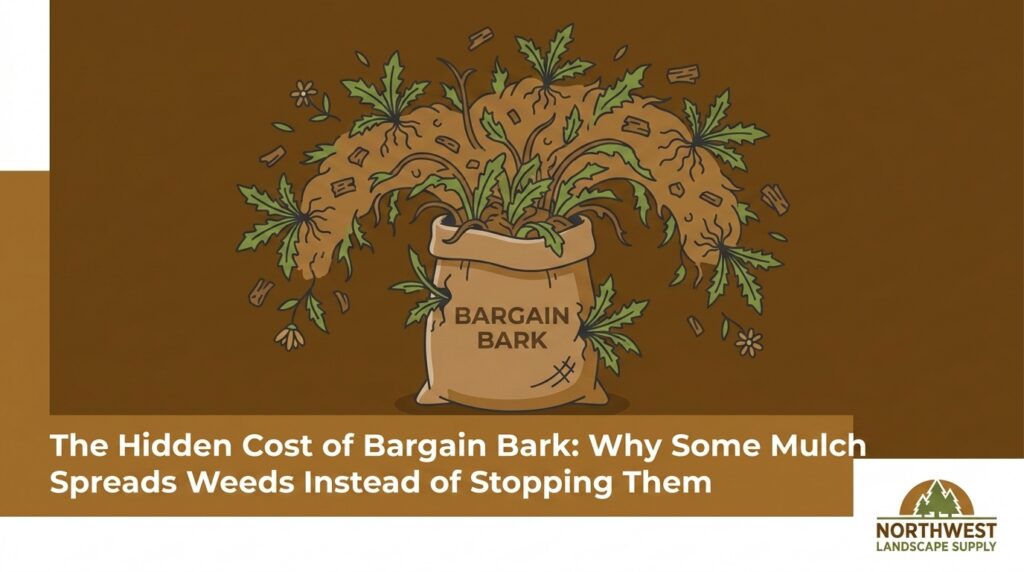
You spread fresh mulch in May, expecting a pristine, low-maintenance yard. But by late August, you find yourself battling an aggressive weed invasion. If this sounds familiar, you are likely experiencing the hidden cost of bargain bark: why some mulch spreads weeds instead of stopping them. A typical pattern we see during the August late-summer weed explosion is homeowners realizing their early-season landscaping efforts have entirely backfired. Instead of suppressing unwanted growth, the material they laid down actually acted as a Trojan horse, delivering thousands of invasive seeds directly into their garden beds.
Not all mulch is created equal. When you are standing at the decision point between generic yard-waste mulch and clean, sterilized fir bark, understanding the source material is critical. The upfront savings of discount materials quickly vanish when you factor in the hours of late-summer labor required to pull out aggressive weeds you accidentally planted yourself.
If you want to protect your beds, upgrade your property’s curb appeal, and do the job right the first time, exploring professional landscape supply services is the smartest first step.
The Supply Chain Reality: What Exactly is Bargain Mulch?
To understand why your garden beds are suddenly overrun with weeds, you have to look at where your mulch actually comes from. Generic yard-waste mulch—often marketed under names like “bargain bark,” “municipal compost,” or “recycled mulch”—is rarely made from actual bark. Instead, it is a heavily processed blend of diverse organic matter collected from hundreds of different residential properties.
When you purchase this type of generic mulch, you are participating in a massive, localized recycling program. While recycling yard waste is great for keeping organic matter out of landfills, it is terrible for maintaining a pristine garden landscape. The raw material entering these municipal processing facilities includes grass clippings, diseased tree branches, pest-infested shrubs, and—most importantly—thousands of aggressive weeds pulled from other people’s yards.
The inherent risk: When you buy generic yard waste instead of clean fir bark, you are potentially importing your neighbors’ landscaping problems. Every scoop of unsterilized bargain mulch carries the risk of introducing invasive root fragments, dormant pests, and aggressive fungal spores directly to your soil. The initial cost savings of buying cheap municipal mulch are almost always entirely wiped out by the long-term maintenance burden of hand-pulling introduced weeds week after week.
How Municipal Yard Waste Becomes Mulch
The transformation from residential green waste to the product sold as “bargain bark” happens in three distinct phases, each of which introduces vulnerabilities:
- The Collection Process: Municipal trucks gather organic waste from residential green bins across the region. This means a single batch of mulch can contain material from hundreds of different yards, mixing healthy branches with diseased tomato plants and invasive morning glory vines.
- The Grinding and Blending: At the processing facility, industrial tub grinders pulverize the collected material into uniform pieces. This grinding process breaks down the organic matter but does absolutely nothing to destroy tiny weed seeds or microscopic fungal spores.
- The Rapid Turnaround: Because municipal facilities process massive volumes of waste, the material is often pushed through the system as quickly as possible. This rapid processing turnaround frequently skips the vital, time-consuming sterilization steps required to make the mulch safe for residential garden beds.
The Thermal Death Point: Why Heat Sterilization Matters
The primary defense against weed transmission in organic landscaping materials is heat. In the world of commercial composting and mulch production, the critical metric is known as the “thermal death point.” This is the specific temperature threshold required to destroy the viability of weed seeds, plant pathogens, and insect eggs.
For effective sterilization, organic matter must reach and sustain internal temperatures between 131°F and 145°F for several consecutive days. Achieving this temperature requires careful management. The piles must be perfectly balanced with nitrogen and carbon, kept at the correct moisture level, and turned frequently so that the cooler material on the outer edges is rotated into the hot center of the pile.
Bargain mulch processing facilities often fail to consistently reach or sustain these critical temperatures. When demand is high in the spring, piles are frequently sold and shipped before the thermal death point has been achieved across the entire volume of material. If a batch of yard waste only reaches 110°F, or if the edges of the pile are never turned inward, the weed seeds survive the process completely unharmed.
Beyond weed seeds, unsterilized mulch carries secondary risks. Artillery fungus and slime mold (often called “dog vomit mold” due to its bright yellow, foamy appearance) thrive in improperly processed wood chips. Artillery fungus is particularly frustrating for homeowners, as it forcefully shoots tiny, sticky black spores onto light-colored house siding and vehicles, which are nearly impossible to remove without damaging the paint.
Clean Fir Bark: The Virgin Timber Difference
If generic yard waste is the problem, clean fir bark is the solution. Often referred to as “beauty bark,” true premium bark is not a recycled municipal product. Instead, it is a direct byproduct of the virgin timber industry. When logging operations harvest fir trees for lumber, the thick outer bark is stripped away before the wood is milled. This raw bark is then ground, screened for size, and sold as high-quality landscaping material.
Because clean fir bark comes from virgin timber harvested in managed forests, it is naturally free of the residential yard weeds, invasive seeds, and garden pests found in municipal green bins. It has never been mixed with diseased garden clippings or invasive root systems. When comparing clean fir bark vs. generic yard-waste mulch, the difference in purity is night and day.
High-quality fir bark acts as a true weed barrier. When applied at the correct depth, it effectively blocks sunlight from reaching the soil surface, preventing existing weed seeds in your dirt from germinating. It also retains soil moisture beautifully without introducing outside contaminants. At Northwest Landscape Supply, our commitment is to provide clean, high-quality fir bark that gives homeowners peace of mind, knowing exactly where their landscaping materials originated.
This reliability makes a massive difference when project timelines are tight. For example, one local homeowner preparing for a spring home sale found themselves needing high-quality materials rapidly to boost their property’s curb appeal. They needed premium bark delivered within 12 hours. Because we stock clean, reliable fir bark, our team was able to provide the right advice and deliver the exact material the next morning, allowing the homeowner to complete their project on schedule with a pristine, weed-free finish.
Why Our Local Climate Amplifies Mulch Contamination
The risks of using unsterilized bargain mulch are not the same everywhere. Homeowners living in Lynnwood and surrounding Snohomish County must be particularly vigilant about their mulch sourcing because of our unique regional weather patterns. The temperate maritime climate of the Pacific Northwest acts as a massive amplifier for mulch contamination.
Our region is characterized by long, wet springs followed by mild, sunny summers. When you apply unsterilized, seed-laden yard waste to your garden beds in April or May, our frequent spring rains keep the material perfectly moist. The mulch acts like a giant, nutrient-rich sponge. As the weather warms up in July and August, this creates an extended, perfect incubation environment for weed seeds and fungal spores to explode into active growth.
Aggressive introduced weeds thrive in these conditions. Invasive species like bindweed (wild morning glory) and field horsetail love the moist, rich environment provided by decaying municipal mulch. Once these specific weeds establish their deep, creeping root systems in your garden beds, they are exceptionally difficult to eradicate. While a homeowner in a dry, arid climate might get away with using cheap municipal mulch because the lack of moisture prevents the seeds from germinating, homeowners in the Pacific Northwest do not have that luxury. In our climate, clean sourcing is absolutely essential.
Side-by-Side Comparison: Generic Yard Waste vs. Premium Fir Bark
To make the best decision for your property, it helps to look at the long-term realities of both materials. The chart below breaks down exactly what you are paying for when you choose between generic municipal products and premium timber byproducts.
| Feature | Generic Yard-Waste Mulch (Bargain Bark) | Premium Clean Fir Bark (Beauty Bark) |
|---|---|---|
| Source Material | Recycled residential green bins and municipal yard waste. | Virgin timber byproduct straight from logging operations. |
| Weed Seed Risk | High. Often unsterilized and loaded with local invasive seeds. | None. Naturally weed-free due to forest sourcing. |
| Aesthetic Longevity | Breaks down rapidly into dirt, losing color within months. | Retains rich color, structure, and visual appeal for seasons. |
| Long-Term Cost | High maintenance labor (constant weeding and fungal treatment). | Low maintenance peace of mind (acts as a true weed barrier). |
| Ideal Use Cases | Vegetable garden soil amendment (if fully composted). | Ornamental beds, front yard landscaping, and property perimeters. |
When outfitting larger properties, this material choice scales up the risk and the labor. One local homeowner acting on behalf of their entire HOA needed to mulch the neighborhood’s common areas this past spring. They were unsure of the exact quantity required and the best material to suppress weeds across such a large footprint. Our owner personally guided them through selecting a high-quality, clean fir bark and delivered the material in less than 24 hours, ensuring the entire community received a beautiful, low-maintenance upgrade.

Evaluating Your Beds: Did Your Spring Mulch Pass the Test?
As the August late-summer weed explosion peaks, now is the perfect time to evaluate the performance of your landscaping materials. If you laid down fresh mulch in the spring, a quick visual inspection will tell you whether that material is acting as a barrier or a breeding ground.
Here is how to assess your garden beds and determine if your mulch is failing:
- Check the Root Depth: Pull a few of the largest weeds in your garden bed. If the roots pull up easily and seem to be entirely contained within the top layer of mulch—never reaching the actual soil below—that is a clear sign the weed seed was introduced by the mulch itself.
- Look for Fungal Growth: Inspect the surface for bright yellow slime mold, gray powdery patches, or tiny black specks on nearby siding (artillery fungus). These indicate the wood is rotting rapidly rather than acting as a stable ground cover.
- Assess the Breakdown Rate: If your mulch has already turned into a crumbly, dirt-like substance after only a few months, it was likely heavily decomposed yard waste to begin with, which provides a perfect rooting medium for airborne weed seeds.
Keep in mind that even the best materials can fail if applied incorrectly. Laying bark too thin allows sunlight to reach the soil, while piling it up against tree trunks can cause rot. Avoiding these common bark mulch application mistakes is just as important as choosing the right material.
If you discover that your beds have been contaminated by cheap mulch, the best remediation step is to meticulously hand-pull the weeds before they go to seed this fall. Once the beds are cleared, plan to top-dress the area with a thick, 2-to-3-inch layer of clean fir bark to smother any remaining seeds and reset your landscape for the next growing season.
Frequently Asked Questions About Mulch and Weed Prevention
Does cheap mulch have weed seeds?
Yes, cheap generic mulch frequently contains viable weed seeds. Because bargain mulch is typically made from recycled municipal yard waste, it includes clippings and pulled weeds from hundreds of different properties. If the processing facility fails to reach the thermal death point (131°F to 145°F) consistently throughout the pile, those seeds survive and are transported directly into your garden.
Why are weeds growing in my new mulch?
Weeds growing in fresh mulch usually happen for one of two reasons: either the mulch itself was contaminated with seeds, or the mulch was applied too thinly. If the roots are shallow and sit entirely within the mulch layer, the seeds came with the product. If the roots go deep into the soil, the mulch layer wasn’t thick enough to block the sunlight from reaching pre-existing seeds in your dirt.
What is the best mulch to prevent weeds?
The best mulch for preventing weeds is clean, sterilized fir bark, often referred to as beauty bark. Because it is sourced from virgin timber rather than recycled residential yard waste, it does not contain dormant weed seeds. When applied at a depth of 2 to 3 inches, it creates a heavy, dark barrier that effectively smothers existing soil weeds while retaining essential moisture.
What is beauty bark?
Beauty bark is a premium landscaping material made from the thick outer bark of fir trees. It is a direct byproduct of the logging and timber milling industry. Unlike generic yard-waste mulch, beauty bark is prized for its rich, reddish-brown color, its uniform texture, and its natural resistance to residential weeds and pests.
Can municipal mulch cause fungal issues in my yard?
Yes, unsterilized municipal mulch is a common carrier for fungal issues in residential yards. Because it consists of rapidly decaying, mixed organic matter, it frequently harbors spores for slime mold (dog vomit mold) and artillery fungus. These fungi thrive in moist, decaying wood chips and can create unsightly patches in your beds or shoot sticky spores onto your home’s siding.
Secure Clean, Weed-Free Bark for Your Next Project
The upfront savings of bargain mulch are rarely worth the exhausting late-summer weeding labor it creates. When you understand the supply chain differences between generic municipal yard waste and premium virgin timber byproducts, the choice becomes clear. Protecting your landscape requires materials that suppress growth, not encourage it.
By sourcing clean, sterilized fir bark, you eliminate the risk of importing invasive weeds and fungal spores into your pristine garden beds. If you are planning an end-of-season landscape refresh, consult with our local experts to calculate the right amount of premium bark for your property. We are here to provide a clear explanation of how unsterilized mulch acts as a vehicle for weed seeds, and to offer straightforward criteria for identifying and sourcing the clean fir bark that will keep your yard looking beautiful year-round.